


Winter in Philadelphia can be beautiful, but it’s also harsh on your roof. If you’re a homeowner in Roxborough, Fishtown, or the Main Line, you’ve likely dealt with ice build-up. One of the best ways to protect your home is through smart roof capping and ice dam prevention strategies.
At Spennato Family Roofing, we’ve helped countless Philly homeowners tackle leaks, shingle damage, and water infiltration with our proven roof solutions. Let’s dive into seven reliable ways to boost your roof capping and ice dam prevention efforts this season.
What Is Roof Capping and Why It Matters
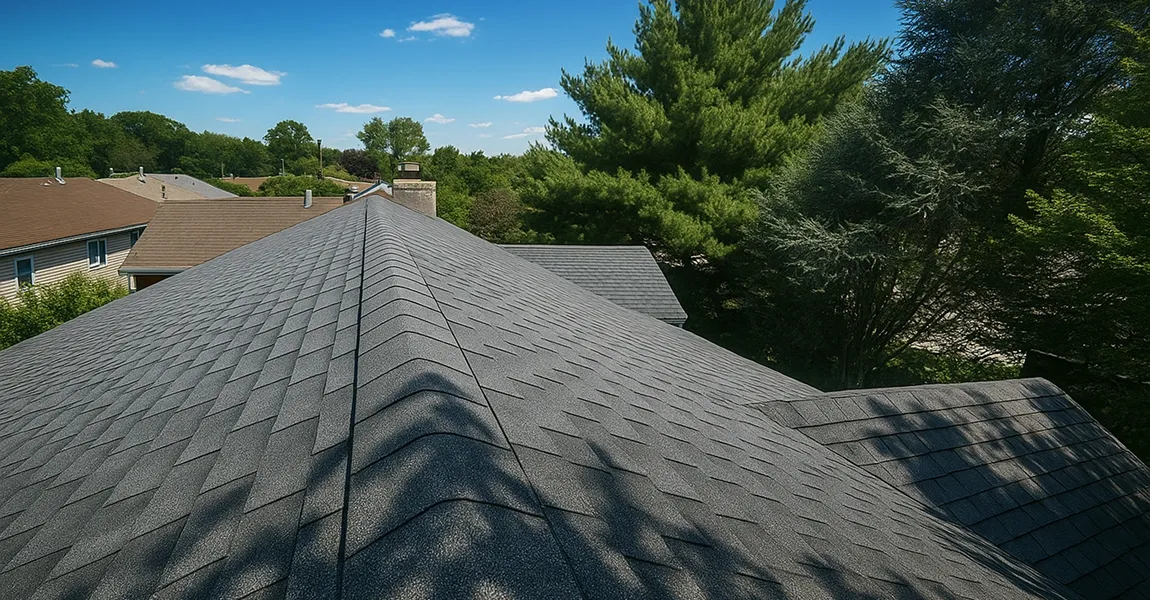
Roof capping refers to sealing the ridges and edges of your roof with specialized materials. It strengthens the roof’s integrity and improves ventilation, two critical factors in roof capping and ice dam prevention.
Poorly capped roofs trap heat and allow melting snow to refreeze at the edges, creating dangerous ice dams. These can lead to leaks, mold, and even collapsed gutters.
1.Install Quality Roof Capping
The first step in effective roof capping and ice dam prevention is using the right materials. Choose high-grade ridge caps designed to prevent water penetration and promote airflow.
In Philadelphia’s freeze-thaw climate, sturdy materials make all the difference. Our roofing team uses only top-tier capping products tailored to local weather conditions.
2.Improve Attic Insulation
One major cause of ice dams is warm air escaping from your living space into the attic. This heat melts snow on the roof, which then refreezes at the edge.
Proper attic insulation keeps heat inside your home where it belongs. It’s one of the most effective long-term solutions for roof capping and ice dam prevention.
3.Ventilate Your Attic Correctly
Ventilation works with insulation to maintain a stable roof temperature. Soffit vents, ridge vents, and gable vents are key to moving air through your attic and preventing hot spots.
Philadelphia homes with older roof structures often lack adequate airflow, making them more vulnerable to ice dams. Our inspections help fix this gap as part of our complete roof capping and ice dam prevention services.
4.Use Ice and Water Shield Underlayment
Beneath your shingles lies a second line of defense: the underlayment. Ice and water shield membranes create a waterproof barrier on the most vulnerable roof areas, especially eaves and valleys.
We recommend adding this shield during roof installations or upgrades to maximize roof capping and ice dam prevention effectiveness.
5.Keep Gutters Clear Year-Round
Blocked gutters prevent proper drainage, allowing meltwater to pool and freeze at the roof’s edge. Regular cleaning, especially in the fall, is essential for roof capping and ice dam prevention.
For extra security, consider gutter guards that stop leaves and debris from building up in the first place.
6.Install Heating Cables
For homes with persistent ice issues, heating cables can provide targeted relief. These electric wires are installed along the roof edge to melt snow and prevent ice dam formation.
While not a standalone fix, they’re an effective supplemental tool in your overall roof capping and ice dam prevention strategy.
7.Schedule Regular Roof Inspections
Preventative maintenance is key. Our seasonal inspections identify risks before they become problems, checking your capping, attic airflow, and drainage systems.
Our experts know Philadelphia roofs inside and out, making us your go-to source for full-service roof capping and ice dam prevention solutions.
Need help now? Visit our trusted Roof Capping services page to get started.
Visit Us in Philadelphia
Whether you’re in Northern Liberties or West Oak Lane, our team is nearby and ready to assist. Visit us in Philadelphia for expert guidance and reliable service tailored to our city’s unique roofing challenges.
We’re proud to be your local experts in roof capping and ice dam prevention.
Frequently Asked Questions
What causes ice dams on my roof?
Warm attic air melts snow, which refreezes at the roof edge due to cold eaves, creating ice dams.
Can roof capping really stop ice dams?
Yes, when paired with proper insulation and ventilation, it plays a key role in prevention.
How often should I inspect my attic insulation?
At least once a year, before winter is best.
Do heating cables use a lot of energy?
No. They are energy-efficient and only run when needed.
Can Spennato install capping on older homes?
Absolutely. We specialize in both modern and historic Philadelphia properties.
Conclusion
Don’t let winter ruin your roof. With smart roof capping and ice dam prevention steps, you can stop leaks before they start and extend your roof’s life.
Trust Spennato Family Roofing to guide you through solutions that work in Philadelphia’s unique climate. From inspections to upgrades, we’ve got you covered, literally.